Indiana Puts the Brakes on New Data Centers: Indianapolis Moratorium Joins a Statewide Pause
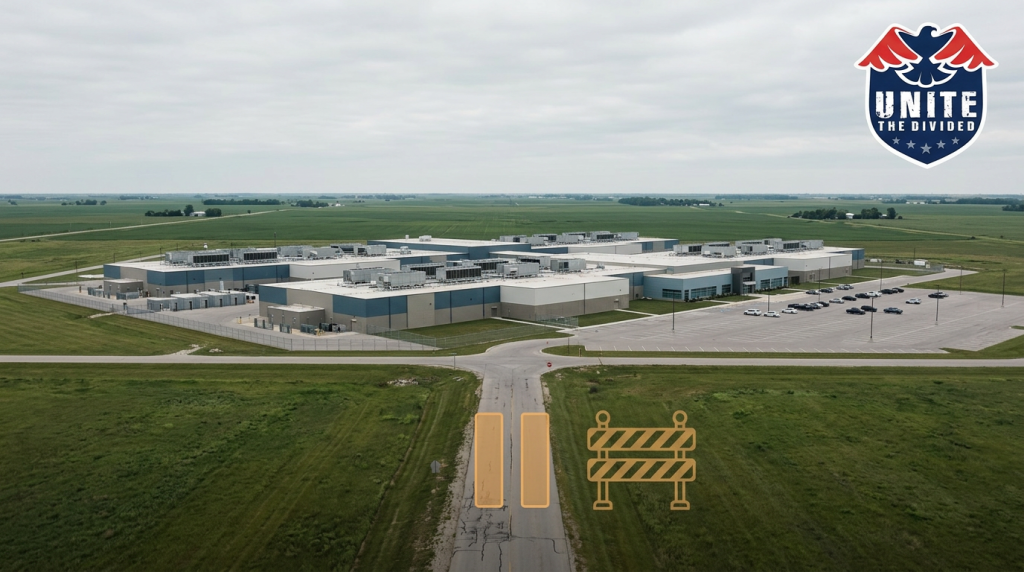
On August 19, 2026, the Indianapolis Metropolitan Development Commission voted 6-0 to place a temporary moratorium on new data-center development inside Marion County through December 31, 2027. The measure had already passed the City-County Council with near-unanimous support and carried the endorsement of Mayor Joe Hogsett.
The pause does not affect three projects that received zoning approval earlier in 2026 in Martindale-Brightwood, Decatur Township, and on the city’s east side, nor does it touch existing colocation facilities that rent space to hospitals, banks, and other tenants. It does, however, stop new applications while city staff hire a consultant, form an advisory committee, and develop clearer standards for size, height, noise (including low-frequency sound), water use, energy demand, and environmental impacts. A $150,000 research allocation was included in the mayor’s budget proposal to support that work.
Marion County is not alone. More than twenty other Indiana counties have adopted temporary bans or study periods of varying length, according to tracking by the Indiana University Environmental Resilience Institute. Jeffersonville, in Southern Indiana, approved a one-year freeze in early August after residents raised concerns about noise, proximity to neighborhoods, tax incentives, and utility impacts. Similar discussions continue in Vanderburgh and Warrick counties near Evansville.
These local pauses matter directly to the data center and Flock Safety conversations already underway across Southern Indiana. Jeffersonville’s freeze and the ongoing ordinance work in Vanderburgh and Warrick show the same pattern of communities seeking time to examine power demand, water use, noise, tax incentives, and long-term ratepayer effects before permanent decisions are locked in. The same infrastructure questions surface in Evansville-area discussions about proposed sites and existing utility capacity. Parallel pressure on automated license-plate reader networks has produced rapid policy shifts: on August 13, Flock Safety announced a reduction in its recommended default data-retention period from 30 days to 7 days, mandatory audit tools, required case codes for searches, and new controls allowing communities to limit the types of offenses for which other agencies may query their cameras. Those changes followed reports of officer misuse and more than fifty community contract cancellations or rejections earlier in the year. Southern Indiana residents tracking both data centers and surveillance systems are watching the same transparency and accountability issues play out in real time.
The stated reasons for the pauses center on infrastructure strain. Large data centers require substantial electricity and, in many designs, significant water for cooling. National estimates cited in recent reporting place direct U.S. data-center water consumption on a trajectory toward roughly 223,000 acre-feet per year by 2028. Local planning documents in other states have sometimes lagged: a 2022 Atlanta-area water plan omitted data centers entirely, and a Texas survey of 341 facilities saw roughly 80 percent miss a 2025 consumption-reporting deadline. Peak-day water needs can far exceed annual averages, complicating utility forecasts.
In Fort Wayne, Google, which opened a data center in December and plans further investment on an 892-acre site, announced a $1.1 million grant on August 18–19 to upgrade the city’s water-treatment plant. The company described the gift as the first expenditure from a new $10 million Indiana Water Impact Fund and linked it to its goal of replenishing more freshwater than it consumes by 2030. Local utility and state officials have publicly stated that ratepayers will be protected from cost increases; some residents and critics continue to express concern about long-term load growth.
Construction of these facilities creates temporary employment in specialized trades, electricians, HVAC technicians, and controls specialists, where shortages are already reported nationwide. Permanent operational headcounts at individual sites are typically far smaller, often measured in the dozens or low hundreds. Economic-development agreements frequently include tax abatements, road improvements, and infrastructure contributions; the net fiscal and community benefit remains a point of local debate.
Indiana’s successive local pauses reflect a practical response to the speed of AI-related infrastructure proposals: communities are asserting time to gather data, write standards, and weigh trade-offs before permanent land-use decisions are locked in. The outcomes of the Indianapolis research process, the Jeffersonville zoning rewrite, and similar efforts in Vanderburgh, Warrick, and other Southern Indiana counties will determine how, and under what conditions, future data-center capacity is sited in the state.